ShePaddles interviews: No 5. Lina Patel

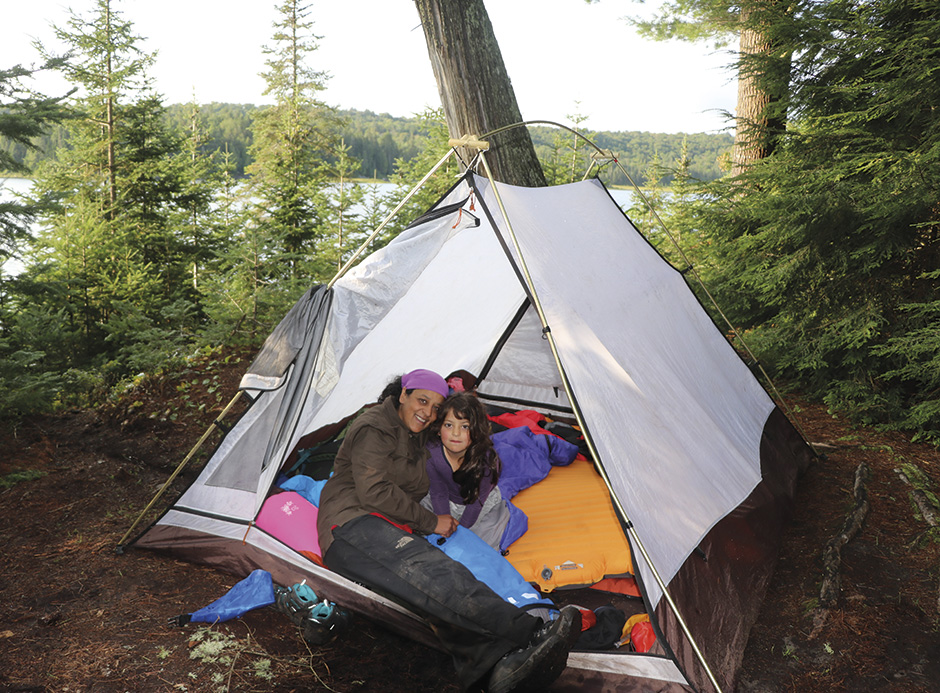
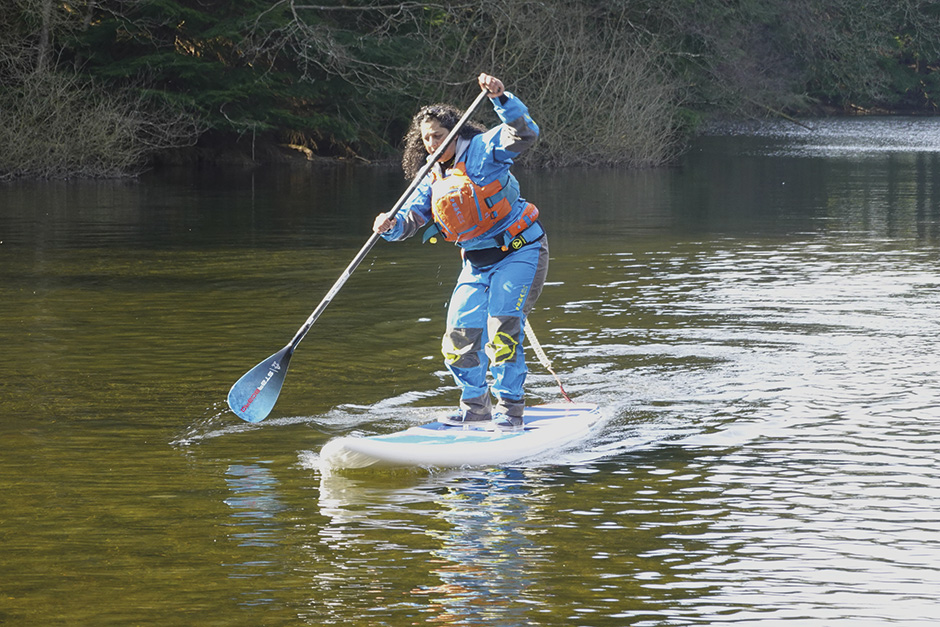
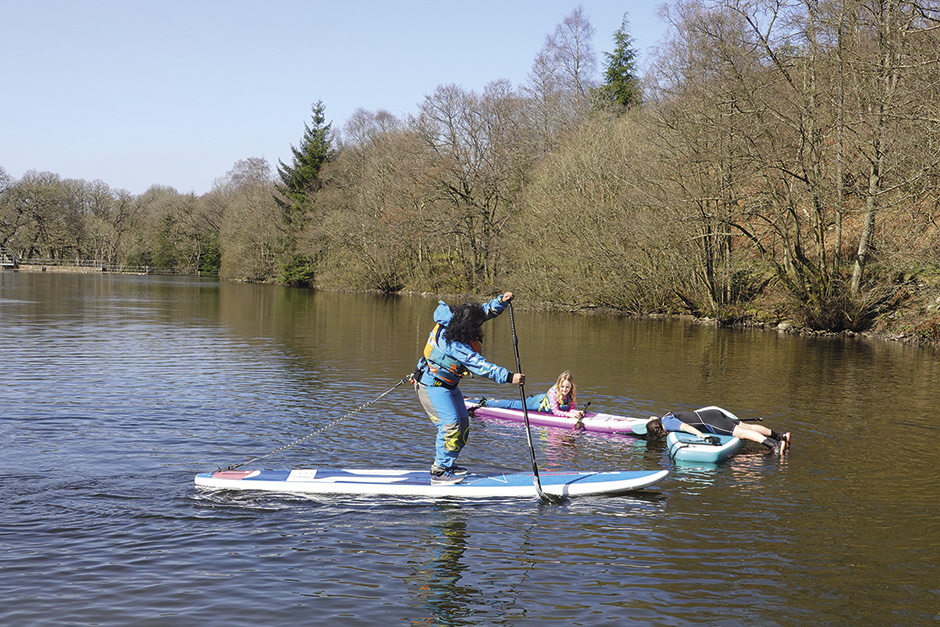
Lina with Maya and Ray
Interviews: Emma Love
After receiving over 150 applications from around the country, British Canoeing, Canoe Wales and the Scottish Canoe Association were excited to announce the #ShePaddles Ambassadors for 2022. Sixteen inspirational women were chosen to promote paddling and encourage more women and girls to get on the water. In this series of interviews, Emma Love chats with seven of the ambassadors about all things SUP!
www.wotbikinipaddleboarding.co.uk
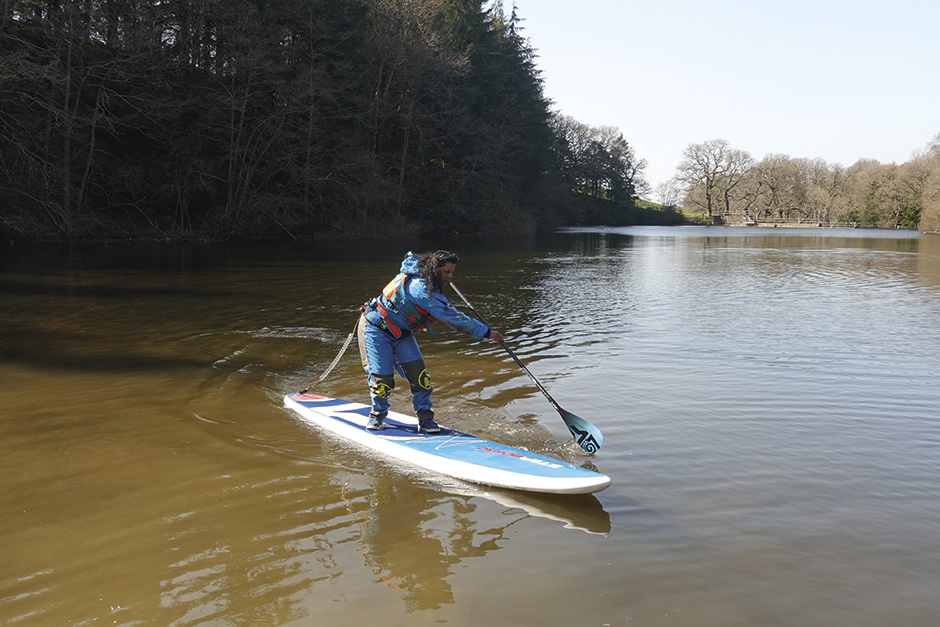
Lina by Ray Goodwin
Lina Patel
Photos: Ray Goodwin
Lina Patel, a highly respected professional paddlesport and outdoor instructor, views her #ShePaddles Ambassador role firmly within the realms of supporting awareness and change within the UK paddling scene. In this interview, Lina discusses the start of her paddling journey, how political upheaval instigated her parents to bring their young family to the UK and her own experiences of working in the outdoor industry.
Where and when did your paddling journey start?
It was kind of by accident, if I am honest. When I was a kid, I spent my time messing about riding motorbikes and mopeds (which you probably shouldn’t have been doing, but that’s what I used to do) on the canal path by the Grand Union Canal, London. Nearby, there was this community space called Meanwhile Gardens, where this quite amazing bloke, Alec Edy, among other things, used to do some maintenance work. Alec decided he wanted to open a boat club, and so he did! And on passing one day, I decided to give kayaking a go. I guess I was about sixteen years old. I clearly remember, the canal was manky and we were paddling amongst all the shopping trolleys!
How did your working in the outdoor industry come about?
Alec had managed to get some funding from the Inner London Education Authority (ILEA), so even though the club was only open on a Sunday, he could employ a couple of youth workers. After six weeks of attending, the workers decided they saw something in me, and each gave me an hour of their paid work. This enabled my completion of the kayak proficiency award because the ILEA employed me. Looking back, I think the youth workers could see that I was quite a disruptive soul (I used to do crazy things just for kicks), so it was very much by luck that boating came along.
I ended up working at the club for quite a few years. Eventually, I became the primary youth worker and worked for other canoe clubs, including Beecham Lodge Activity Project – run by Mike Smith. I then returned to school (I had left with very few qualifications) because I wanted to complete a youth work degree. But at the time, these did not have an outdoor aspect, and I graduated with an Outdoor Science Secondary. So, my working in the outdoor industry all started just because of those initial couple of hours of work at the boat club.
What made your parents decide to emigrate with you and your brothers to the UK?
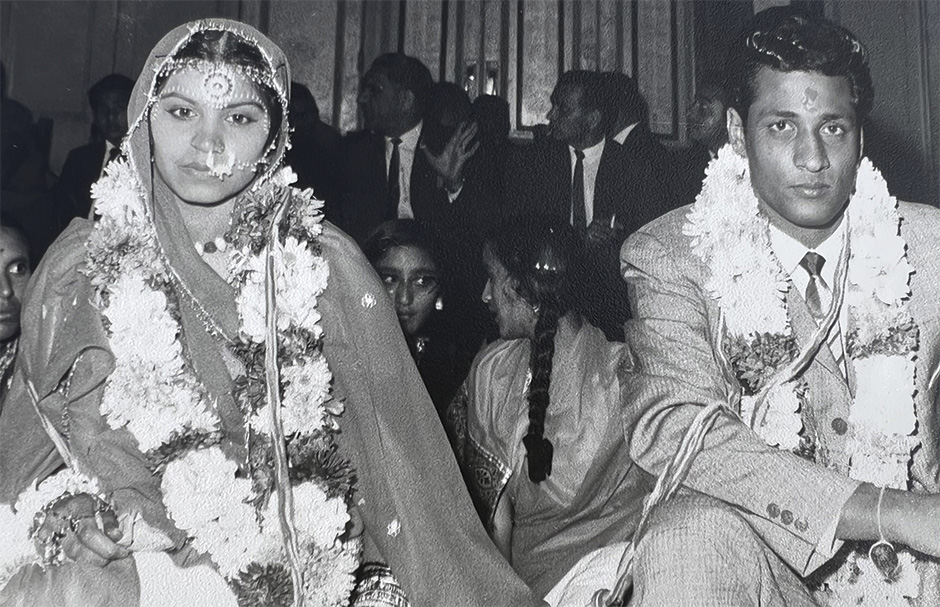
My parents are from Gujarat in India but were living in Uganda (my dad was born there). In the 70s, Idi Amin was in power when he decided he didn’t want Indian people living in the country. I don’t remember this, but troops took me from my mother’s arms and threw me into the road when I was a baby. They say it was a miracle I survived because the trucks drove over me, but I was fortunate because I was lying between the wheels. After that, my parents were like, we are done! They left everything behind, and we emigrated to England.
How does Lina, the ‘street kid’, align herself with the strong cultural identity of both your parents and the British Asian community?
On arriving in the UK, even though my parents chose not to live in the Indian community, my mum would have preferred that I stayed at home and learnt how to cook an Indian dinner and a lovely Thali. But I was like, “If my brothers are out, then I am going out! My dad didn’t believe that girls should only do this and boys do that. He’s like, “Do whatever you want to do and be happy.” I was good at sports, and my dad was very supportive. When I started paddling, we watched something on the telly, and these kayakers were getting dressed on the side of the road. My dad asked, “Is that what you do?” And I said, “Well, yeah,” and he replied, “all right, just put a towel on!”
You talk openly about how your dad wanted you and your brothers to ‘fit in’ and be accepted here in the UK. Can you explain his reasons?
My dad gave us first names that weren’t full Indian names. When I asked why he explained it was because English people wouldn’t be able to pronounce our names. He knew even when naming my brothers and me that we would never stay in Uganda. When I was about 18, he said, “Lina, change your surname from Patel to another name so that you have a better chance in life.” My dad wanted to make it easier for us to fit in and be accepted. Life was a bit different then, and I would say it’s not that different now, in many ways.
What made you decide to apply for the role of a #ShePaddles Ambassador?
My daughter Maya is my biggest driver. Being an ambassador, for me, is about ethnicity. I don’t want my daughter to experience some of the things I have as a professional in the outdoor industry because of the lack of diversity. Even though lots of people believe it is diverse, it isn’t!
For instance, I remember at my university interview being asked why did an Asian woman want to do an outdoor degree and not be a doctor or a lawyer? That upset me – they wouldn’t have asked anybody else that question! These days, I am often invited to help on projects, not because of who I am but as a tokenistic nod to diversity. There is a lot of virtue signalling out there, I’m afraid.
However, I hope that if my role as ambassador helps Maya (now and in the future) experience the outdoors differently, it is ultimately a good thing. My role as an ambassador is equally about celebrating us as a family. It is about my husband, Ray, my daughter and myself travelling as a unit. It’s about experiencing paddling, sleeping and cooking outdoors together. It is about being in blue spaces. It is about being resilient.



 SUP Mag UK
Leave a comment