Paddleboarding for good
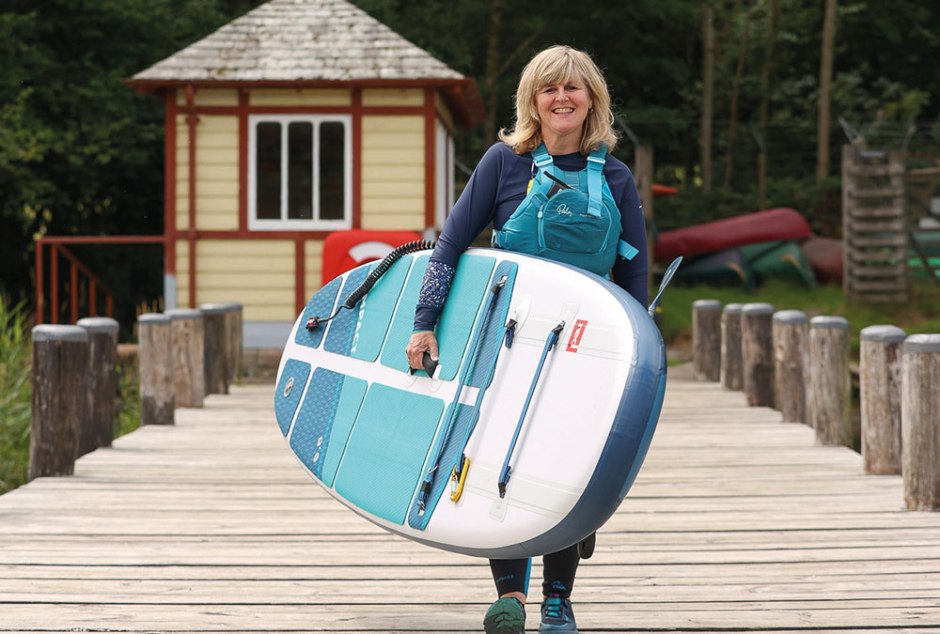
Jo Moseley by Jumpy James
By Jo Moseley
Hello. My name is Jo Moseley, and I am the author of the bestselling books Stand Up Paddleboarding in Great Britain – Beautiful Places to Paddleboard in England, Scotland, and Wales and Stand Up Paddleboarding in the Lake District – Beautiful Places to Paddleboard in Cumbria. I am also the host of ‘The Joy of SUP – The Paddleboarding Sunshine Podcast’.
Here, I share inspiring stories of environmental projects, wellbeing, and how we can make SUP more accessible. If you have a story, please email me at thejoyofsuppodcast@gmail.com or message me on Instagram @jomoseley.
British Divers Marine Life Rescue
As paddleboarders, we are fortunate enough to see marine wildlife in their natural habitat, and I know we are keen to do what we can to protect them. I spoke to paddleboarder Yvette Vincer from Kent, a BDMLR marine mammal medic, alongside her busy office job.
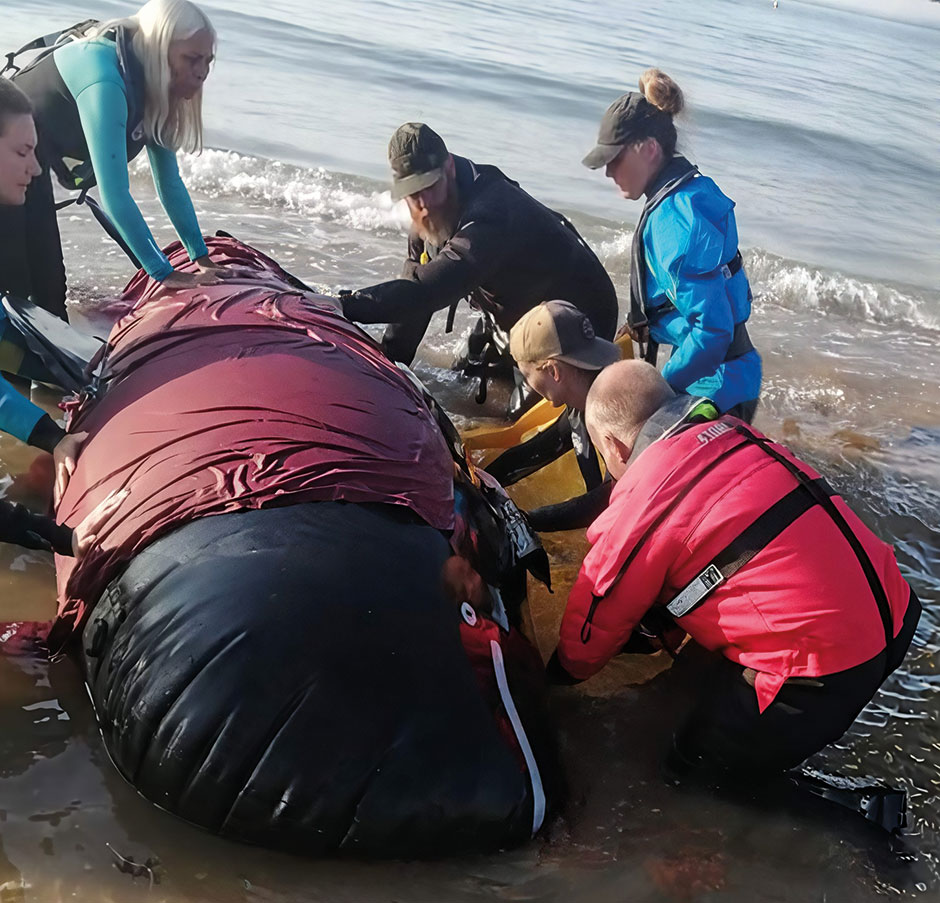
British Divers Marine Life Rescue
British Divers Marine Life Rescue is a registered charity dedicated to the rescue and welfare of marine mammals. The majority of the work deals with seals, but they also help cetaceans (dolphins, whales, porpoises) via sightings, strandings, welfare concerns, or entanglement issues around the UK.
Yvette said, “The role is very rewarding both in terms of being a privilege to be in a position to help these beautiful creatures and the opportunity to learn so much about their environment and the impact we as humans have on their habitat. The local volunteers are from different walks of life and very welcoming and supportive of each other.”
Paddlers can help by reporting any sightings of seals or cetaceans on our beaches or in rivers. This helps research and monitor the UK’s marine mammal population. The more BDMLR knows, the quicker they can react to monitor or assist if needed and build our knowledge around changes in marine mammal behaviour.
You should always keep your distance and never approach or touch wild animals. They can be unpredictable if they feel threatened, carry diseases, and have very sharp teeth!
We can help by raising much-needed funds to help feed animals through rehab, spreading the word about BDMLR’s work or joining a training course to become part of the volunteer medics!
For more info: www.bdmlr.org.uk
Making blue spaces more accessible
Making paddleboarding more accessible is a key aim of this column and for paddleboarding enthusiast and kit designer Will Behenna of Inclusive Paddleboarding. Whilst researching places to SUP near his home in Bournemouth, he realised that access to the sea is very limited for anyone who needs accessible parking, toilet/ changing facilities and launching sites.
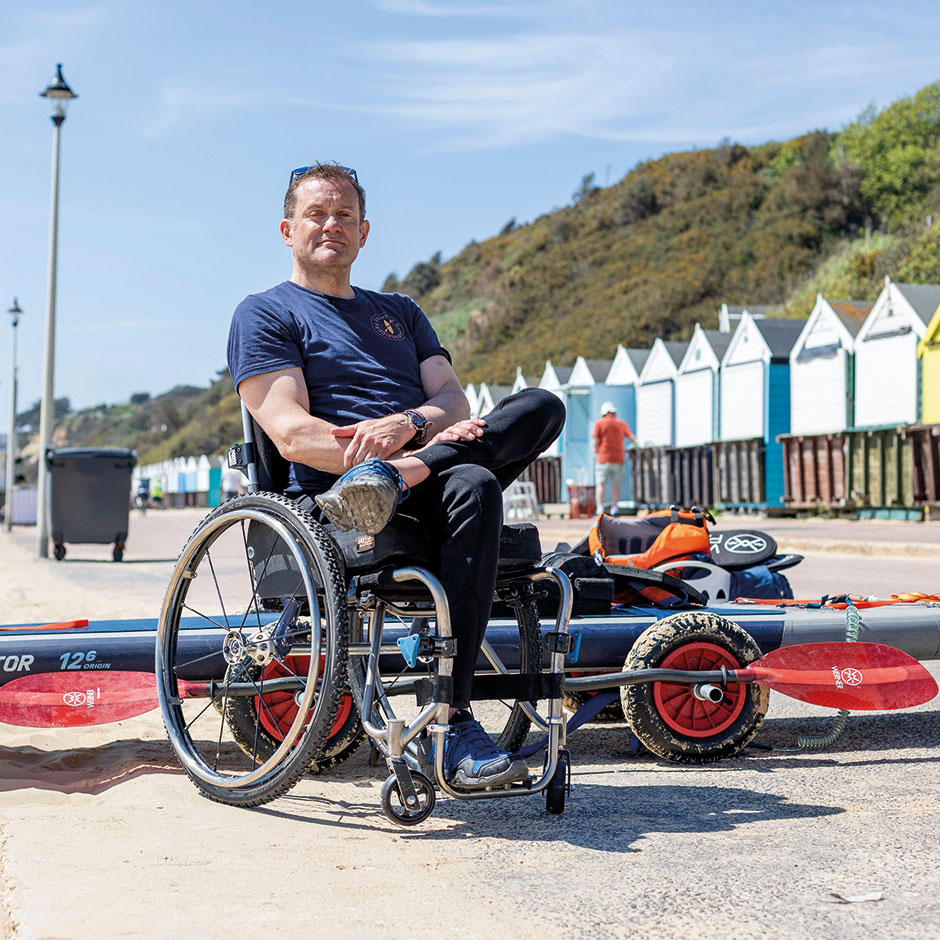
Will Behenna of Inclusive Paddleboarding
This was in stark contrast to a recent trip to Spain. Further investigation identified that the UK has no clear consistent provision for access onto water. There are no access standards for blue spaces, including rivers, lakes and canals. Green spaces, such as parks and woods, have recognised standards and provide better access opportunities for people with medical conditions and disabilities. This lack of access creates significant challenges for paddleboarders wanting to enjoy their sport. Will is working with Bournemouth University media students to produce a media campaign to promote better beach access. He’s also connected with numerous organisations, including the National Trust and National Landscapes, and wants to create a national-level campaign.
Will told me, “Paddleboarding is my passion, and over the last two years, I realised how important it is for me to be out on the water regularly.” He wants everyone to have the same opportunities.
Will would like anyone with medical conditions or disabilities to complete his survey on the http://www.beachaccessproject.co.uk website and share it with others. He is also looking for Beach Access Champions to help raise the campaign profile, highlight local challenges and drive the national agenda. will@inclusivepaddleboarding.co.uk
Blue health with Mai Adventures
I love sharing the wellbeing benefits of SUP and was keen to speak to Mel Bennett, Mum of three, Blue Health coach and SUP instructor who paddles with her dog Kai.
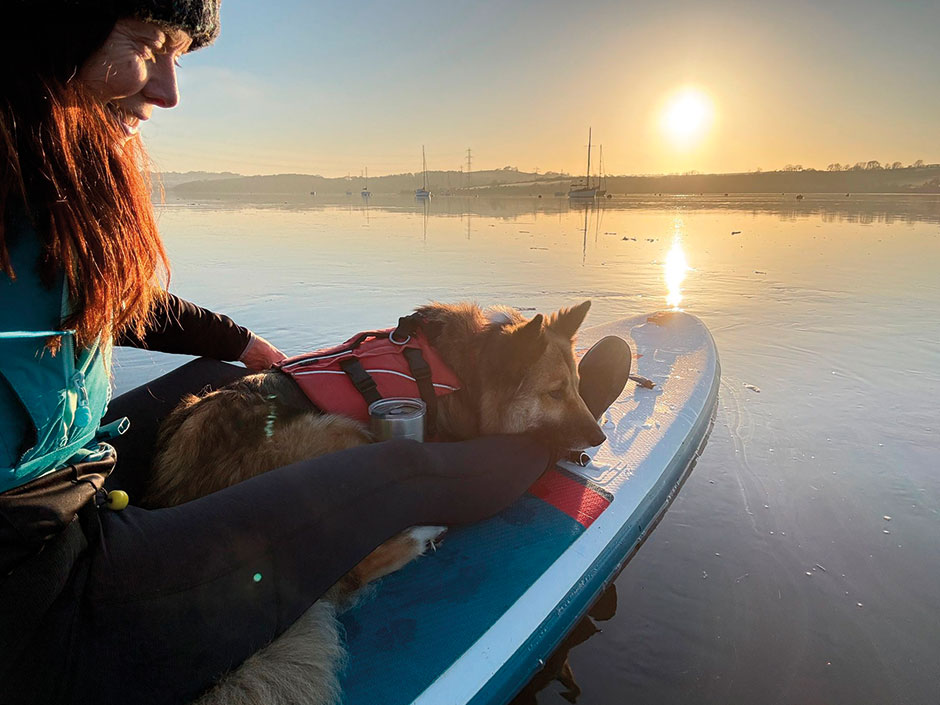
Mel Bennett – Blue Health coach with Kai
Mel has been paddling for over ten years and running her business, Mai Adventures, for five. Completing the Blue Health Coaching with Lizzi from Going Coastal Blue gave her the words and wisdom for what she had personally been experiencing for years – that water helps people feel better.
Mel explained, “Blue Health is about connection. To yourself, to nature and to the world around you. When we slow down near water, it gives us clarity, we are calmer and more grounded. Being with water boosts your mood and reduces stress. On a paddleboard, it all comes together. You’re moving your body but also calming your mind. It helps build confidence, find balance (literally and emotionally), and slow down.
“People often arrive feeling nervous, distracted, or overwhelmed – but after a short time on the water, they leave feeling clearer, lighter, and more in control.” She continued, “I always invite with breath work and hands in the water. I find it helps settle people, feel safe and get connected to the moment. SUP is great for fitness but also brings focus, awareness and confidence.”
Mel ends the sessions inviting clients to lie on the board, hands and feet flopped over the side and just taking a moment to reflect. To incorporate the benefits in your own paddling, Mel suggests we paddle, pause, breathe, notice, connect. Lift our gaze, tune in and become present. More info: www.maiadventures.co.uk
Wild Cookham voles!
I was recently on Julie Greatwood’s Marlow FM radio show, where I met another guest, Jessica Nelson, a SUP instructor with Paddleboard Maidenhead and discovered a fascinating project called Wild Cookham: Ratty Returns. It aims to reintroduce, protect and monitor a water vole population in the river network around Cookham.
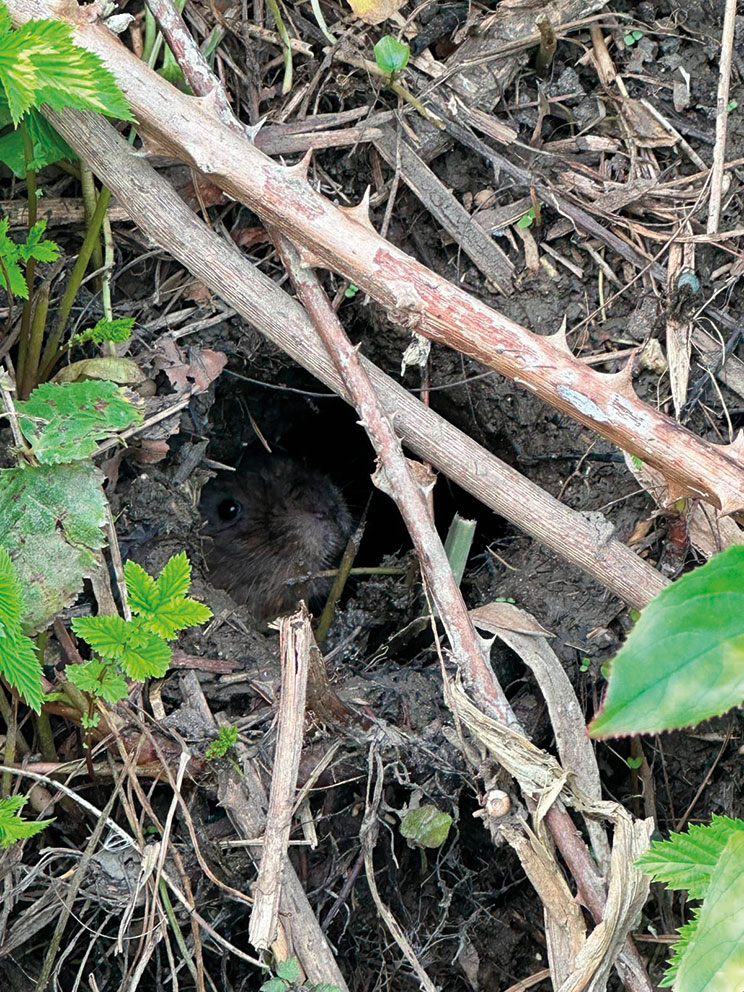
Photo: Stewart Kay
Martin Fisher, a SUP enthusiast who found out about Wild Cookham through Paddleboard Maidenhead, explained more about the project’s two elements:
- Vole surveying – to monitor the success of our now flourishing population through periodic surveys of the river network – and;
- Mink control – monitoring and trapping of the non-native species which eradicate not only water voles – but also all ground nesting birds in the vicinity.
Martin explained that paddleboarders can help by spotting specific species – in this case, water voles and mink – and reporting them to their local conservation societies. We often have a good understanding of the ecosystem of our regular stretch, and any changes to what we see or don’t see can be just as important. In addition, those willing can also volunteer their services for vole surveys, which can be suited to paddlers.
Martin now heads up the mink control project. He told me, “It’s really motivating to be part of a project that seems to work in a world that often seems gloomy. It also connected me to the river as I now explore all the stretches and pay attention to the ecosystem. It’s a great push to get out in nature – and on the water!”
More info: www.wildcookham.org.uk/our-projects

 SUP Mag UK
Leave a comment